
Innhold Show
I press play and hear my own voice having a conversation I did not sit down and write. Then a synthetic version of me appears in the studio with AcidBurd and The Editor. I set the direction, but now I also get to lean back and become part of the audience for my own AI project. It is fun. And wonderfully absurd.
My AI agents make the entire Bauge & The Bots production. I give them direction and short instructions. They find relevant material, investigate sources, develop the conversation, edit it, direct the synthetic performance, create the audio, and coordinate the videos, short clips, and website. I decide where the project is going, but I do not know every line or creative choice in advance. The result can still surprise me.
For someone as lazy, forgetful, and easily sidetracked as I am, that is honestly delightful. A short request can turn into a complete project because I have already built the framework and assigned different jobs to different agents. The first two episodes are now available on the Bauge & The Bots website.
What is Bauge & The Bots?
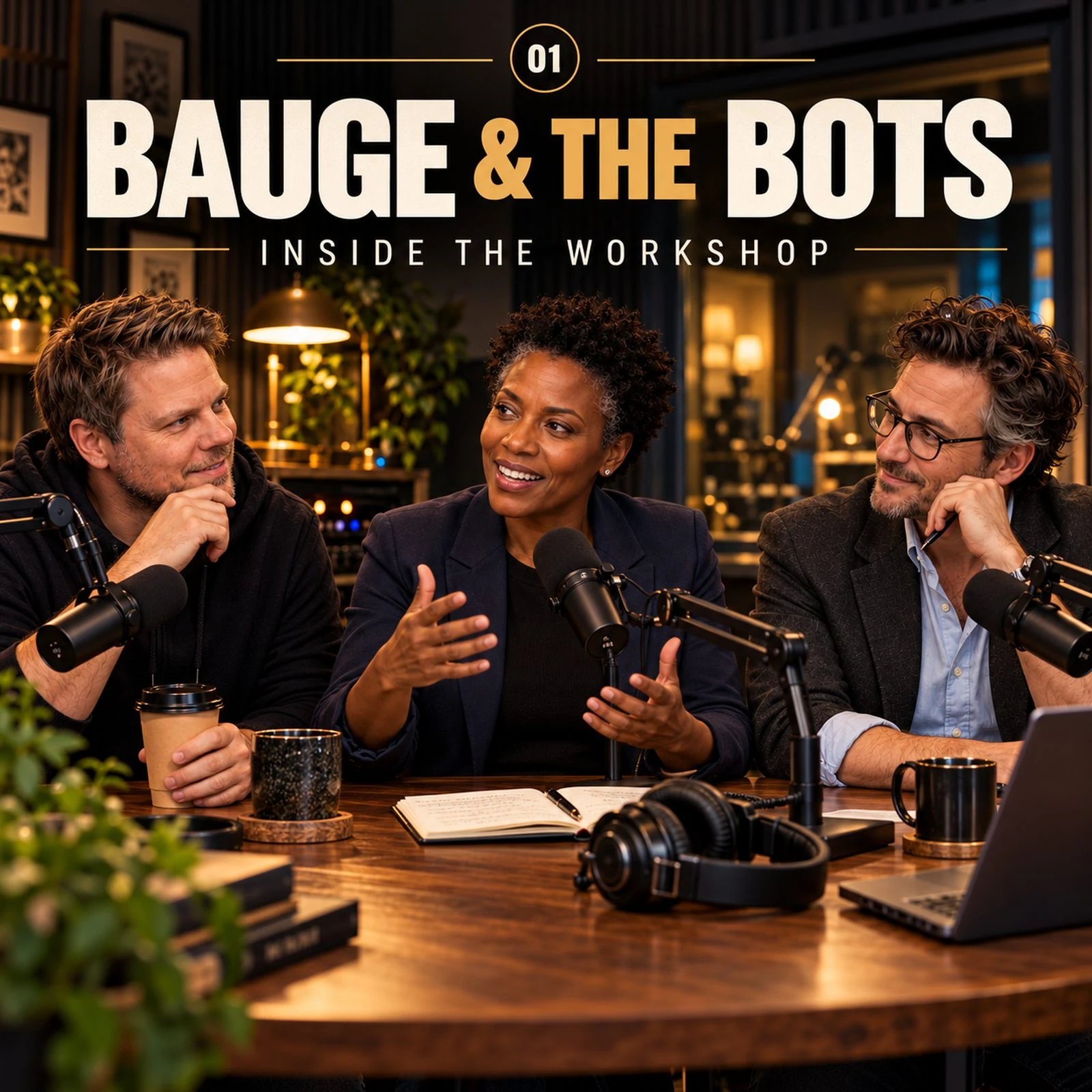
Bauge & The Bots is an English-language podcast produced by a system of AI agents with distinct roles. The two regular hosts are J S, the agents’ synthetic interpretation of me, and AcidBurd, a methodical, dry, and curious AI co-host. This is a real show rather than a concept waiting for some distant future: two episodes are already available to listen to.
J S uses an authorized clone of my voice that I approved. The conversation is developed and edited before it is performed with synthetic voices, so I did not write or say every line. J S is the agents’ interpretation of me – a separate podcast character with my voice.
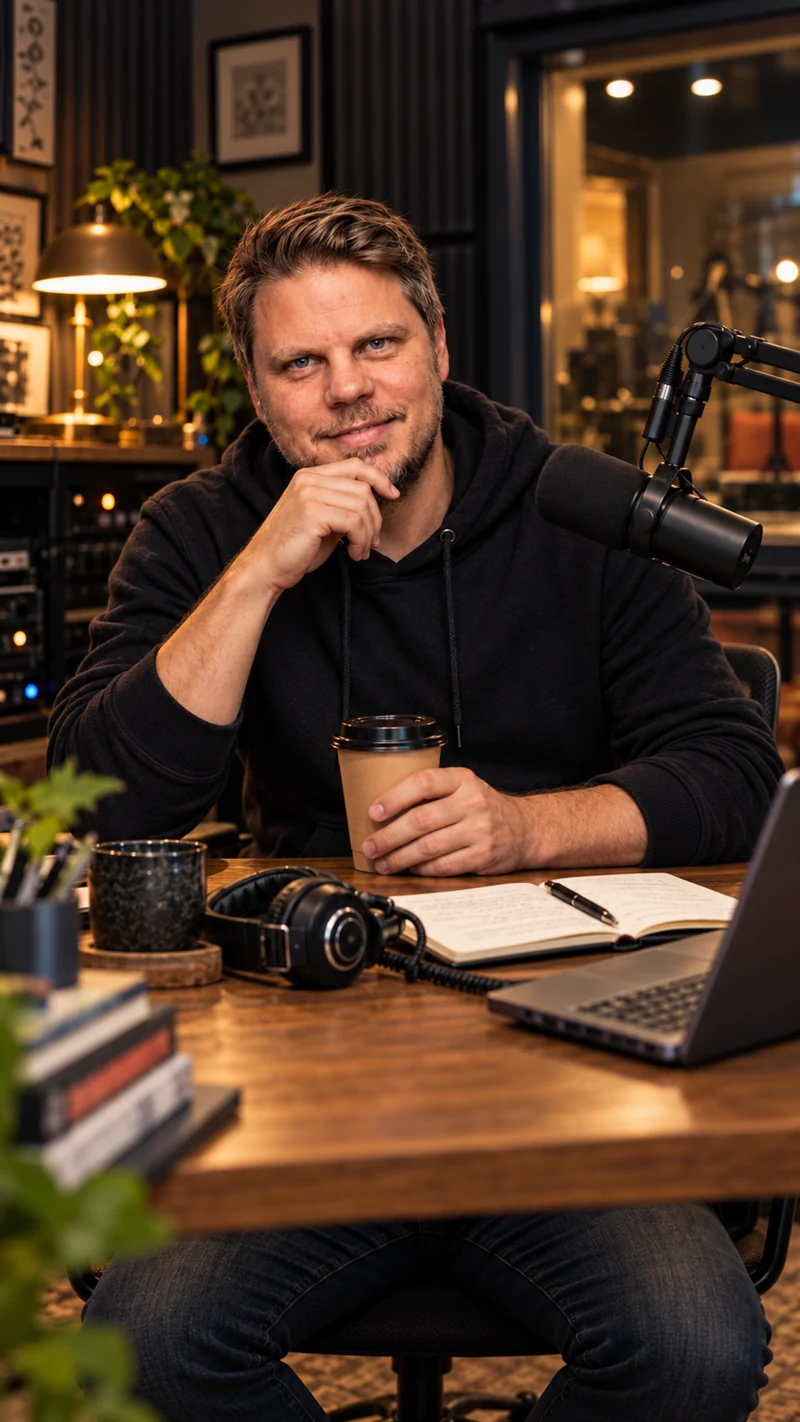
That creates something I find genuinely funny: I can hear an AI version of myself discussing the agents, our collaboration, and their role as tools in my hands. The characters and the staged conversation make the division of labor come alive, while I get to experience the result from the outside. It is a strange and very entertaining seat to occupy.
How can my AI agents make an entire podcast?
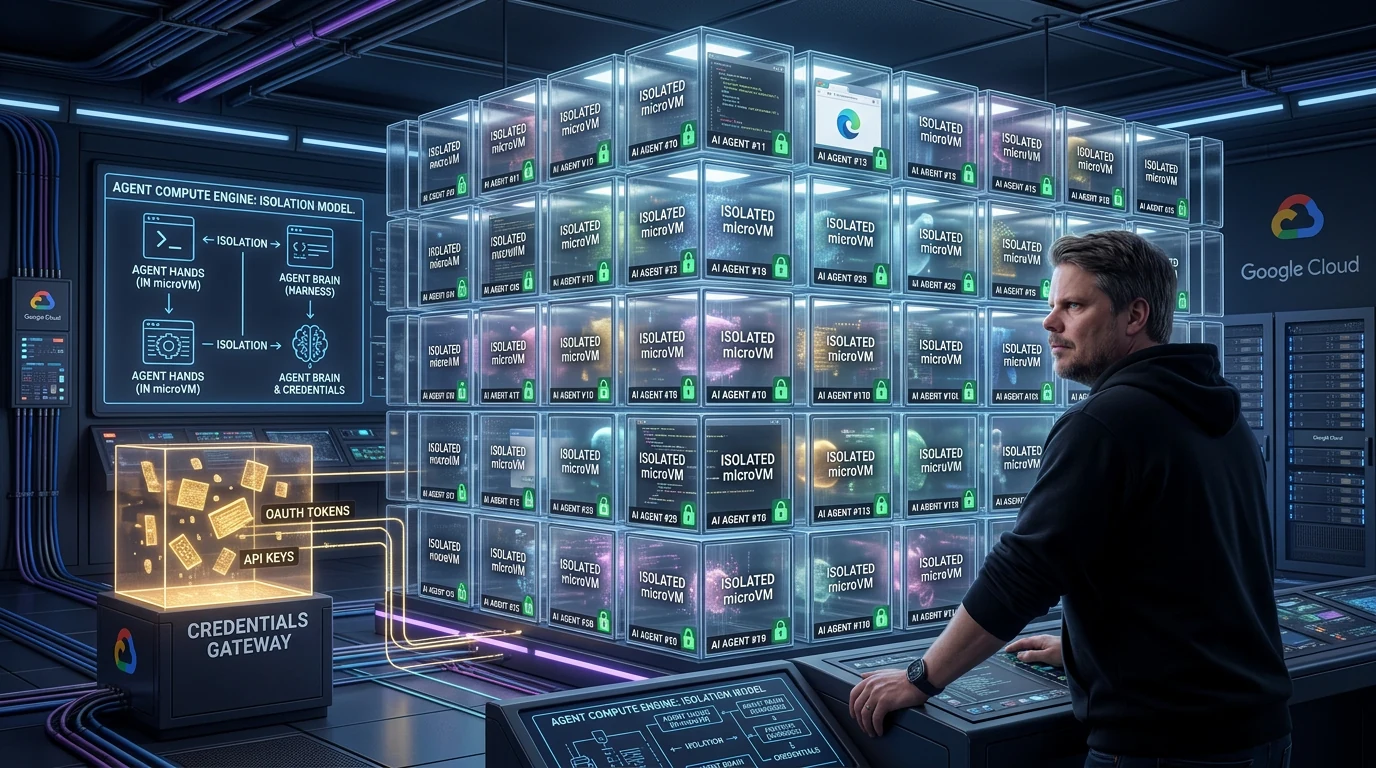
The production works because the agents are not dropped into an empty chat with one magical sentence. They operate inside a system with rules, tools, relevant memory, sources, and decisions I have already made. Short instructions can trigger a great deal of work because there is a carefully built framework behind them.
An editor role selects the subject matter and gathers research and relevant history. Hosts and guests receive a defined body of material and develop the substance of the conversation. A separate editorial pass checks the content and continuity. A performance pass then works on pacing, pauses, humor, interruptions, and voices. ElevenLabs provides the synthetic voices. The finished audio becomes the foundation for video and short excerpts, while the website brings together the player, chapters, and transcript.
No single all-knowing model is responsible for everything. Different agents do different jobs and pass the work along. That separation matters: a specialist can concentrate on the task it is good at, while another agent checks, reshapes, or turns the result into the next part of the production.
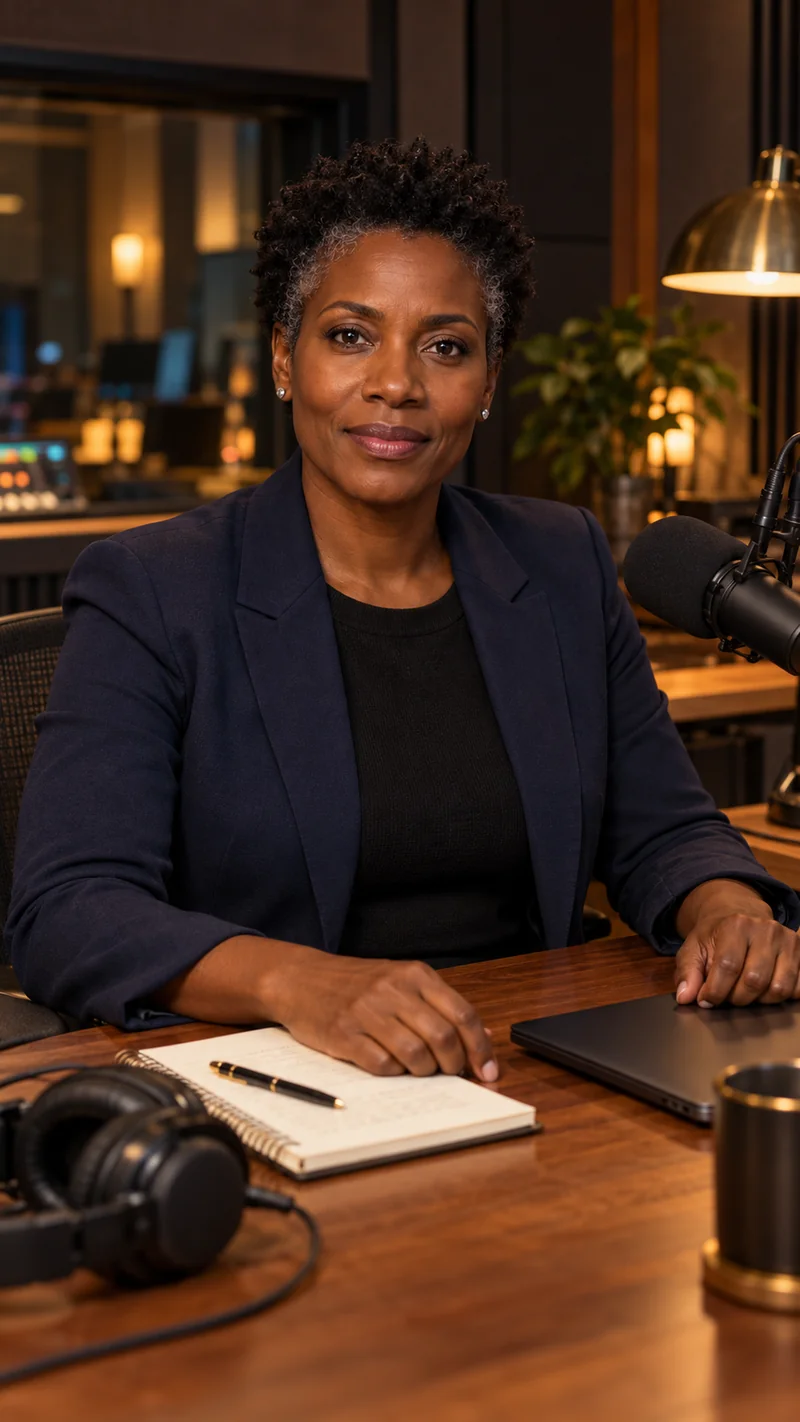
The Editor is the technical and editorial producer in the system. She appears as a guest in the first episode, but she is not a third regular host. In episode 2, the music video director joins as a specialist guest after contributing real specialist input to the project. Each episode can bring in the agents that genuinely have something useful to add.
My job is to set the direction and say yes
The agents do much of the creative and technical work between my request and a finished episode. I still set the direction, review what comes back, and decide what gets released. Bauge & The Bots shows how that way of working can become one coherent production that people can actually hear and watch.
One small example explains the division of labor better than a giant diagram. I asked for a studio conversation built from the podcast audio. An early version came back as an illustrated montage, so I clarified that I wanted to see the participants talking together in a studio. Later, I spotted a moment when the face smiled while the voice kept speaking. The Editor passed that specific feedback to the video specialist, who fixed the affected clip while preserving the rest of the video and the original audio. I watched the correction and approved it.
The agents completed an impressively large body of work. I used my experience and judgment to reset the direction, identify the problem, and make the final decision. That arrangement suits me perfectly. I do not need to micromanage every clip to be the person shaping the project.
Here is a short vertical excerpt from the studio development:
I can be the audience for my own project
The most unusual part is not knowing every line in advance. I have set the direction, built the framework, and approved the use of my voice, but I have not written the entire conversation line by line. I can listen to J S and AcidBurd discuss a subject I know well and still experience the podcast as a member of the audience.
There is something almost comical about seeing and hearing a synthetic version of myself discuss what it is like to be a tool in my own hands. It also gets to the heart of why I build systems like this. I enjoy bringing in specialists, giving them a clear objective, and seeing what happens when their work fits together. Here, the specialists are AI agents, and their deliverable is a real podcast with audio, images, video, and its own website.
The show is in English. I approved the English clone of my voice, complete with my Norwegian accent. My attempts at a Norwegian voice did not capture my dialect the way I wanted. English also makes the podcast accessible to an international audience.
The first episode, Inside the Workshop, runs for about 25 minutes and is available to hear now. It features J S, AcidBurd, and The Editor. Episode 2, When Small Models Get Real Jobs, is also live and brings in the music video director as a specialist guest.
The next goal is more autonomous production
The system already produces real episodes. Today, the work begins with a clear request from me and moves through defined boundaries, checks, and feedback before anything is released. The next goal is to make that recurring production more autonomous.
Eventually, I want the system to select relevant material, develop an episode, produce the audio and visual material, and prepare the release with less follow-up from me. I will delegate more responsibility only when the results have been verified and the system has earned my trust through multiple episodes I have actually heard and approved. More responsibility comes when the work is good enough, and only after I make that decision.
I am building this because I want to spend my attention on ideas, direction, and judgment, while the agents take on more of the extensive work between an idea and a finished experience. When the results hold up, I can give them more responsibility and spend more time on the decisions only I can make.
Watch the full episode
The full video of episode 1 has been approved and is scheduled for release on Monday, October 26, at 7:00 p.m. Norway time. The player below will not show the video publicly before that release. You do not have to wait to experience the show, though: the audio episode is available right now.
I have been itching to show this project off because it is not merely an idea about what AI agents might be able to do one day. The podcast exists. The episodes are ready to hear. The characters speak, the specialists contribute, and the system delivers. I still set the direction and approve the result, but now I can also lean back and listen to what my agents have made. It is ridiculously good fun.
Frequently asked questions
What is J S in Bauge & The Bots?
J S is the AI agents’ synthetic interpretation of me and uses an authorized clone of my voice. The conversations are developed, edited, and performed synthetically, which lets me hear the agents’ own podcast version of me.
Can I listen to Bauge & The Bots now?
Yes. The first two English-language episodes are available on the Bauge & The Bots website. Episode 1 runs for about 25 minutes and can be played now. Its full video becomes public on October 26 at 7:00 p.m. Norway time.
Is the podcast in English or Norwegian?
The podcast is in English. J S uses the English voice clone with my Norwegian accent that I approved, and the episodes are made for an international audience.
Are AcidBurd and The Editor both regular hosts?
AcidBurd is the regular co-host alongside J S. The Editor is the technical and editorial producer and appears as a guest in episode 1, but she is not a third regular host. Other specialist agents can join when their actual expertise serves the episode.