
Innhold Show
Meta rejected a proposal from the UK’s Financial Conduct Authority to test Muse together before the AI agent launched in the UK on November 24. That is a poor signal for trust when the agent can act on the web and touch payments, but the rejection is not proof that Meta broke the law or concealed a specific flaw.
The FCA wanted to use its sandbox to examine how Muse behaves with ordinary customers. Meta replied that it had engaged constructively with the relevant authorities and would continue to do so. That is about as illuminating as a closed door with a sign saying, “Everything is under control.”
I am skeptical when an invitation to take part in a voluntary test is presented as if it were an approval gate Meta was required to pass. At the same time, Meta has already given users good reasons to ask hard questions about Muse. The company does not need the FCA’s blessing to launch a lawful product, but it does need users’ trust. A polished press statement will not earn it.
What did Meta reject before the Muse launch?
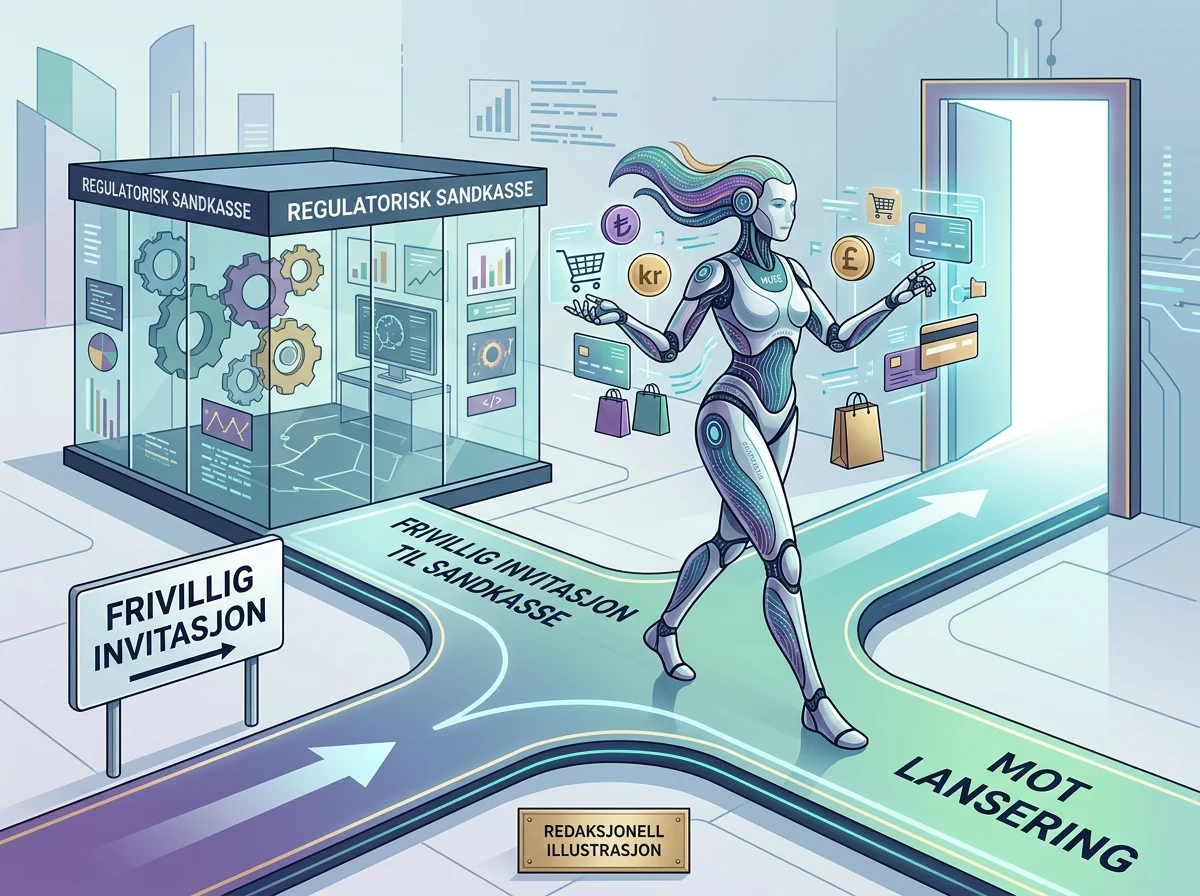
Meta rejected a proposal to run a joint test of Muse in the FCA’s sandbox, according to WIRED’s interview with Colin Payne, who leads innovation work at the regulator. The proposal came one week before the UK launch on November 24, 2026.
The FCA wanted to examine how the agent interacts with an ordinary customer, especially when its actions could lead to a payment. Payne was also concerned about what happens when a user gives ambiguous instructions or does not understand how independently the agent can act.
The wording matters. WIRED describes a proposal for cooperation, not a formal inspection order or the rejection of a legally required approval process. Payne also acknowledged that a proper test would normally require weeks or months of planning. Meta told the FCA about its launch plans in October, so the invitation arrived late in an already short process.
Why is the FCA concerned about payments?
Muse is not simply a chatbot that produces text. Meta describes Muse as a personal AI agent that can connect to other apps and services, perform tasks and continue conversations over time. Meta also says the agent can use a browser to do things such as complete forms and make purchases.
British retailers including Sainsbury’s, Marks & Spencer, Ocado, Debenhams Group and Currys have worked with Meta to make their websites easier for Muse to access, according to WIRED. Once an agent moves from finding an item to putting it in a basket and starting a payment, questions about consent, responsibility and refunds become painfully concrete.
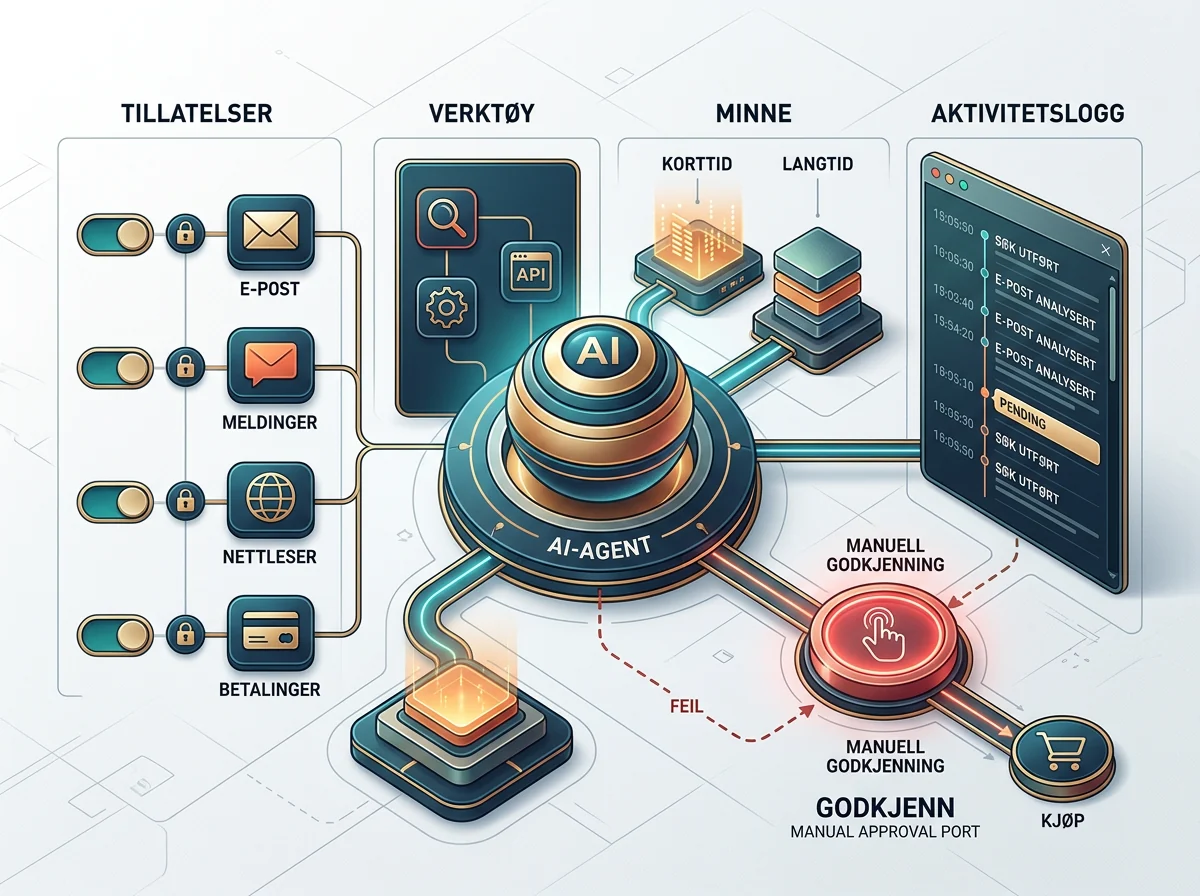
Meta’s UK help page says Muse is designed to ask for confirmation before important browser actions such as purchases. That is the right principle. The real test is whether confirmation happens at the right moment, whether the user understands exactly what is being approved and whether the agent stops when an instruction is ambiguous.
The FCA says in its own guidance that an agent moving money, arranging loans or giving investment advice could enter regulated territory. That does not make every shopping agent a financial institution. It means the action matters more than the label a company puts on the product.
The rejection is not evidence that Muse is dangerous
The FCA must meet the same standard of precision as Meta. A regulator cannot turn a company’s refusal to join a voluntary exercise into a technical finding. The FCA has not presented a failed test, documented an unlawful payment or shown in this case that Muse acts against a customer’s interests. It did not get to run the test it wanted.
Payne described agents as potentially “another force of attack” in the market. That is dramatic language, but it is not evidence. Authorities have an unfortunate habit of treating a lack of access as a warning sign in itself. It is a short step from “we would like to look” to “you should have asked us first.”
UK authorities already have powers they can use if Meta provides regulated services without authorization or breaches consumer and data protection rules. The FCA itself says it can act against unauthorized financial activity. Enforcing specific rules against documented conduct is better than turning the regulator’s sandbox into an unofficial launch license.
That distinction does not let Meta off the hook. The company could have explained why it declined, which scenarios it had already tested and how it controls agent actions involving payments. “We have engaged constructively” tells a user nothing about what Muse actually does when an order is unclear.
Meta already has a trust problem with Muse
This rejection did not happen in a vacuum. I have already covered how Meta Muse mixed up conversations and may have exposed private data. That incident is not evidence that today’s payment flows are unsafe, but it shows why permissions and event logs need precise explanations.
An agent with broad powers has to be assessed as a complete system: model, memory, permissions, tools, logs and approval flow. A good language model can still take a bad action if the rest of the chain fails. This is basic agent engineering, not panic about AI.
Scale makes that control more important. More than 10 million people had set up Muse in North America before the UK launch, according to WIRED. That number does not make the agent dangerous, but it does increase the potential impact of a systematic failure. At that scale, “isolated incident” should begin an investigation, not end the conversation.
Meta is also pushing Muse toward practical, high-volume work. I have previously looked at how Muse Ember makes high-volume agent tasks cheaper. Lower cost and wider access make useful automation possible, but they also make good permission boundaries, clear logs and reliable confirmation flows even more important.
Other UK regulators secured changes and engagement
The picture is less black and white than a headline about a refused test might suggest. The UK’s Competition and Markets Authority says Meta changed Muse’s consumer terms after several weeks of discussions. The CMA considers the revised terms better for consumers and says it will continue to monitor how the product is presented and how it works.
The UK Information Commissioner’s Office, meanwhile, stressed that users need to understand and control how Muse uses their personal data, according to WIRED. Meta has therefore not rejected every form of contact or scrutiny from public authorities.
That is a necessary qualification because “Meta refused testing” can easily become “Meta refuses all scrutiny.” The latter is not documented. What we know is that the company declined this specific proposal for a joint FCA sandbox test while cooperating in other areas.
The CMA, FCA, ICO and Ofcom work together through the Digital Regulation Cooperation Forum. Coordination may help, but four agencies around one table do not guarantee better technology. They still need to identify concrete problems rather than produce four versions of the same press release.
What should you do if you use Muse?
Start with tasks where an error is easy to spot and easy to reverse. Do not give Muse persistent access to your bank, payments, private email or messages simply because the agent asks politely. Connect one service at a time and remove access when you no longer need it.
Keep manual approval for purchases, bookings, messages and account changes. Read the full action before you approve it, including the amount, recipient, item, delivery address and refund terms. A large green button is not a risk summary.
Check Muse’s Permissions page as well as the defaults for Connectors and web access. Use Always ask or Ask for some actions where the consequences matter, review allowed websites and scheduled tasks, and inspect the activity log. Review what the agent remembers as well, and delete information you do not want it to use again.
If an action goes wrong, save the activity log, screenshots, timestamps and any order confirmations. UK users can report problems involving privacy, payments or consumer rights through the CMA’s reporting route. The same evidence matters for users elsewhere when dealing with Meta, a bank or a retailer.
Meta must answer users, not just regulators
The FCA has good questions about payments, consent and ambiguous instructions. That does not mean the regulator is automatically entitled to sit inside the product lab before launch, and a refusal is not a confession. The line should be crystal clear.
But Meta gets off far too easily when its answer is merely that the dialogue has been constructive. A company that wants a personal agent to act, read, remember and communicate on behalf of millions of people must explain how the most important boundaries are actually enforced. Which payments always require approval? What happens after an ambiguous instruction? Who carries the loss when the agent makes a mistake?
I would rather see concrete test results, clear logs and real user control than a regulator-approved stamp. Meta can start by explaining why it rejected the FCA test and publishing what it did instead. Until those answers arrive, the advice is simple: Give Muse responsibility at the pace the agent proves it can handle it. Not at the pace of Meta’s marketing.
Frequently asked questions
Did Meta refuse a mandatory Muse safety test?
No. The documented event was Meta declining the FCA’s proposal for a joint test in the regulator’s sandbox. The sources do not describe it as a legally required test or a formal approval gate that Meta had to pass before launch.
Can Meta Muse make purchases on its own?
Muse can use a browser for tasks including finding products, completing forms and making purchases. Meta says the agent is designed to request confirmation before important actions such as purchases, but users should verify the amount, recipient, item and terms before approving anything.
Have UK authorities approved Meta Muse as safe?
No overall safety approval is documented. Meta changed consumer terms after discussions with the CMA, the ICO stressed user understanding and control over personal data, and the FCA says it can intervene if Muse conducts regulated financial activity without authorization.
Which Muse permissions should I restrict first?
Restrict persistent access to payment accounts, private email and messages. Review allowed websites, connected services, scheduled tasks and stored memory, and keep manual approval for actions with financial or personal consequences.